

Comprehensive Crane Operation Guide: Understanding Crane Operations and Their Importance

Operating heavy machinery safely and efficiently is critical in many industries. Among these machines, the crane plays a vital role in lifting and moving heavy loads. Mastering crane operations is not just about handling equipment; it’s about ensuring safety, compliance, and productivity on the job site. In this guide, I will walk you through the essentials of crane operations, the importance of proper training, and how our comprehensive programs help operators and riggers excel in their roles.
Crane Operation Guide: Key Elements for Safe and Effective Lifting
Understanding the fundamentals of crane operation is the first step toward becoming a skilled operator or rigger. The process involves more than just maneuvering the equipment; it requires knowledge of load capacities, rigging techniques, and safety protocols.
Equipment Familiarity: Knowing the specific type of crane you are working with—whether it’s a tower crane, mobile crane, or overhead crane—is essential. Each has unique controls and limitations.
Load Assessment: Before lifting, operators must calculate the weight of the load and ensure it does not exceed the crane’s rated capacity.
Rigging Practices: Proper rigging ensures the load is secure and balanced. This includes selecting the right slings, hooks, and shackles.
Communication: Clear signals and communication between the operator and riggers prevent accidents and misunderstandings.
Environmental Awareness: Weather conditions, ground stability, and nearby obstacles must be considered to avoid hazards.
Our training programs emphasize these elements through a blend of classroom instruction and hands-on practice, ensuring operators develop both theoretical knowledge and practical skills.

Did I See a Crane or a Heron?
The word "crane" can sometimes cause confusion outside the construction context. While a crane is a powerful lifting machine, it is also the name of a large bird known for its graceful movements and long legs. This playful comparison helps highlight the importance of context in communication, especially in safety training.
In our training sessions, we use such analogies to make learning more engaging and memorable. For example, just as a heron carefully balances on one leg before taking flight, crane operators must balance loads precisely before lifting. This analogy reinforces the importance of stability and control in crane operations.
Understanding these nuances helps operators stay focused and attentive, reducing the risk of errors caused by distractions or misunderstandings.
The Importance of OSHA Compliance in Crane Operations
Safety is the cornerstone of all lifting operations. The Occupational Safety and Health Administration (OSHA) sets strict standards to protect workers involved in crane operations. Compliance with these regulations is not optional—it is mandatory.
Our training programs are designed to meet and exceed OSHA requirements, covering:
Operator Certification: Ensuring operators are qualified through written and practical exams.
Inspection Procedures: Teaching how to conduct daily and periodic inspections of cranes and rigging equipment.
Hazard Recognition: Identifying potential risks such as electrical lines, unstable ground, and weather hazards.
Emergency Procedures: Preparing operators to respond effectively to incidents or equipment failures.
By adhering to OSHA standards, companies reduce workplace accidents, avoid costly fines, and promote a culture of safety.
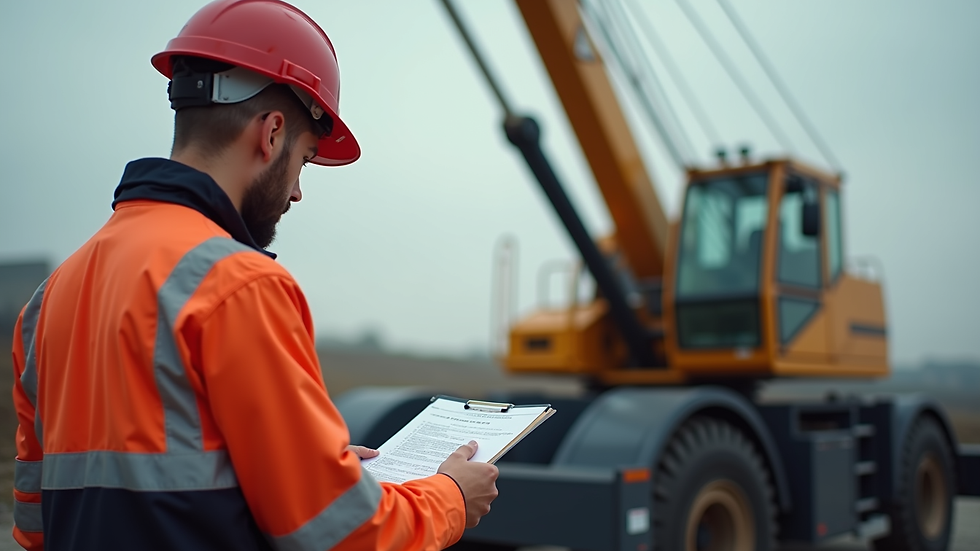
Practical Skills Development Through Hands-On Training
Theory alone cannot prepare operators for the complexities of real-world crane operations. That’s why our programs combine classroom learning with onsite, hands-on training. This approach allows participants to:
Practice Maneuvering: Gain confidence in controlling the crane under various conditions.
Perform Rigging Tasks: Learn to select and attach rigging gear correctly.
Execute Load Lifts: Experience lifting, moving, and setting down loads safely.
Conduct Safety Checks: Perform thorough inspections before and after operations.
Simulate Emergency Scenarios: Prepare for unexpected situations with guided drills.
This comprehensive training ensures operators and riggers are not only knowledgeable but also skilled and confident in their roles.
Why Choose Our Training Programs?
Our mission is to be the go-to provider for crane operator and rigging safety training. Here’s what sets us apart:
Flexible Scheduling: We offer onsite training tailored to your company’s needs and timelines.
Experienced Instructors: Our trainers bring years of industry experience and OSHA expertise.
Certification: Participants receive recognized certification upon successful completion.
Customized Curriculum: Training is adapted to the specific types of cranes and operations relevant to your work.
Ongoing Support: We provide resources and refresher courses to keep skills sharp and compliant.
By investing in our training, companies enhance workplace safety, improve operational efficiency, and ensure compliance with regulatory standards.
Elevate Your Skills and Safety Standards Today
Mastering crane operations is essential for safe and efficient lifting tasks. With the right training, operators and riggers gain the knowledge and practical skills needed to perform their jobs confidently and compliantly. Our comprehensive programs are designed to meet OSHA standards while providing hands-on experience that prepares you for the challenges of the job site.
Whether you are new to crane operations or seeking to update your certification, our flexible, onsite training solutions are here to support your professional growth and safety goals. Together, we can build safer workplaces and elevate industry standards.
If you want to learn more about our training programs or schedule a session, feel free to reach out. Your safety and success are our top priorities.


Comments